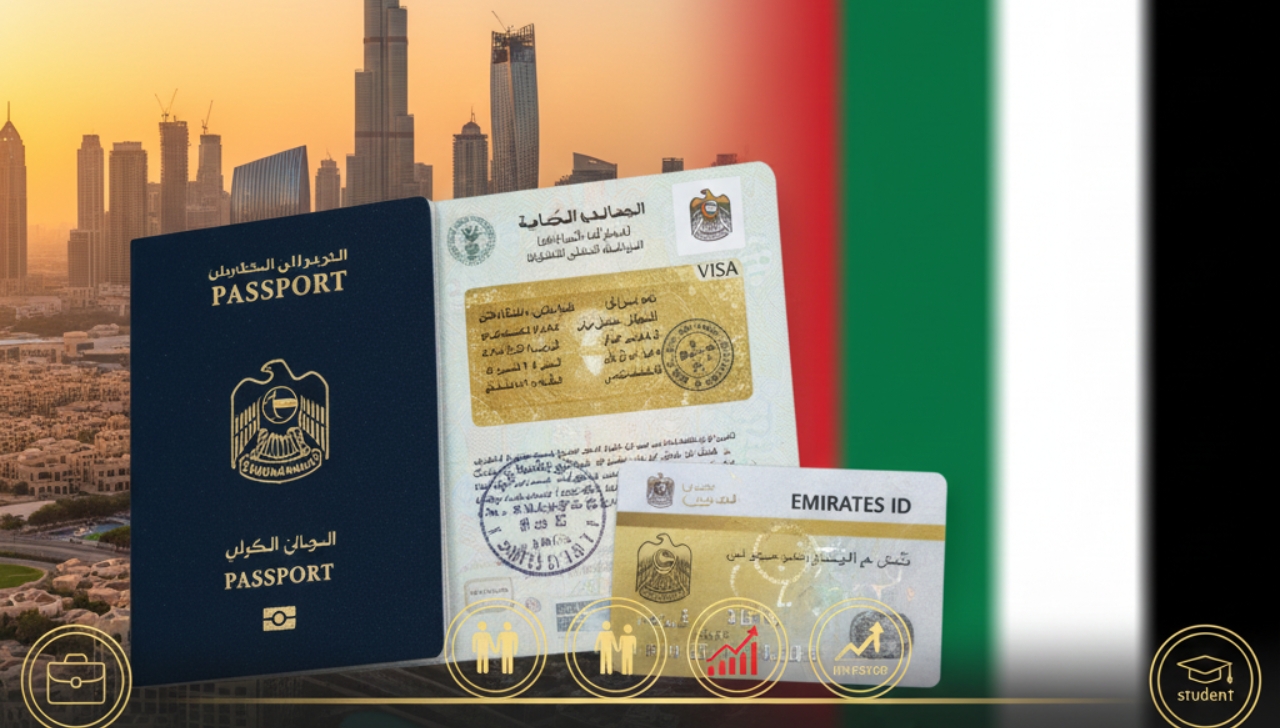

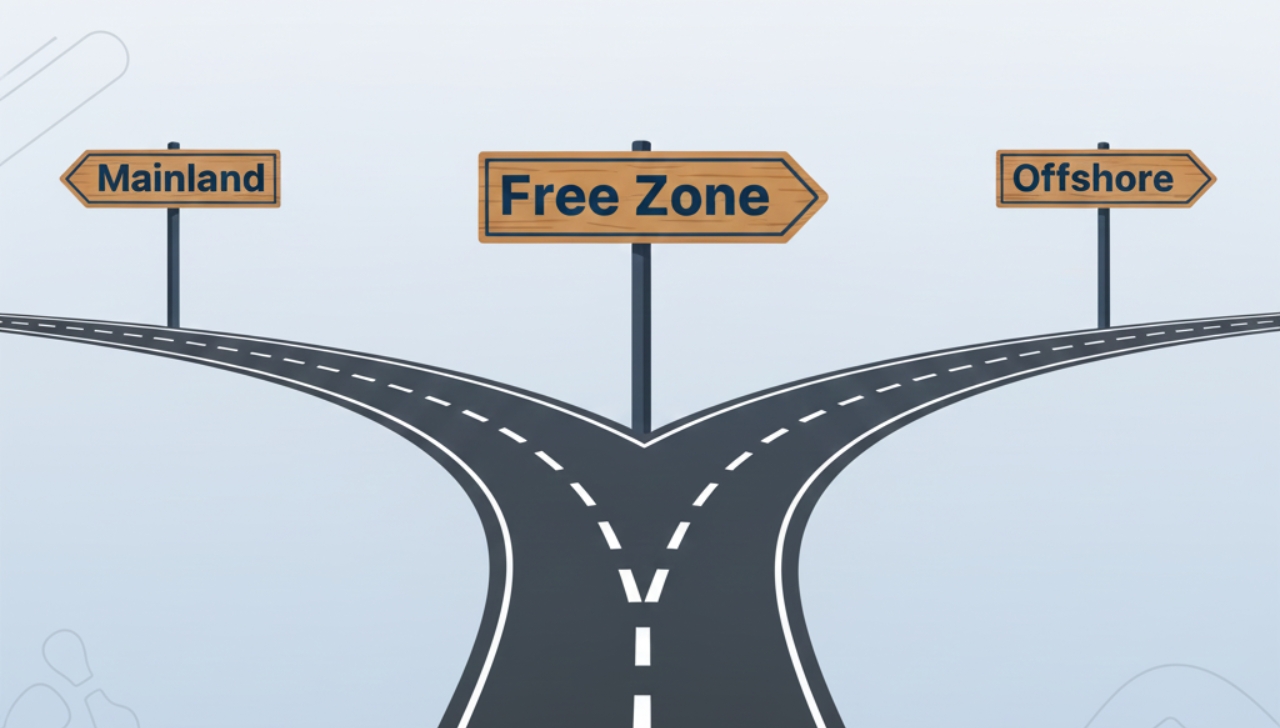
Setting up a business in the UAE can be exciting, but choosing the right structure is one of the first important decisions. Many international entrepreneurs and startup founders are unsure whether they should register their company in the mainland, in a free zone, or as an offshore entity. Companies like Bizhub have helped many new founders understand these options clearly so they can choose the structure that fits their goals.
This guide explains the differences, benefits, requirements, and ideal use cases for each setup in a simple and clear way.
Introduction
For investors who need official information on licensing and approvals in Dubai, the Invest in Dubai portal offers clear and detailed government resources. Mainland companies allow wider freedom to trade inside the UAE. Free zones offer benefits for foreign entrepreneurs and simpler setup. Offshore companies suit businesses that need an international holding structure.
Understanding each setup helps entrepreneurs plan better, manage costs, and operate without facing surprises later.
What Is Mainland Company Setup
A mainland company is registered under the Department of Economic Development of the emirate you choose, such as Dubai or Abu Dhabi.
Key Features
- You can trade anywhere in the UAE
- You can work with government clients
- You can open an office anywhere within the emirate
- You can hire more employees without strict limits
Who Should Choose Mainland
- Entrepreneurs who want to sell products or services directly within the UAE
- Startups planning to work with government departments
- Service based companies like restaurants, consultancies, salons, and logistics firms
- Businesses that need open access to UAE markets
Mainland Requirements to Know
- You must have a physical office space
- Licensing and approvals vary based on business activity
- Compliance with government regulations is stricter
What Is Free Zone Company Setup
A free zone is a designated area created to support specific industries. These areas offer foreign ownership and a simplified business setup process.
Key Features
- 100 percent foreign ownership
- Quick and simplified registration
- No requirement for a local partner
- Lower setup costs compared to mainland
- Option for virtual offices in many zones
Who Should Choose Free Zones
- Entrepreneurs who want 100 percent ownership
- Online businesses and e commerce startups
- Tech companies, consulting firms, and freelancers
- Startups selling internationally rather than locally
- Companies that want low documentation and quick setup
Free Zone Limitations
- You cannot trade directly in the UAE market without a distributor
- You must operate within your free zone activity rules
- Office space is limited to the free zone area unless upgraded
What Is Offshore Company Setup
An offshore company is used mainly for international business activities and holding structures. These companies cannot operate within the UAE market.
Key Features
- Used for international trade
- No office required
- Lower costs than mainland or free zone
- Can hold assets and intellectual property
- Ideal for global tax planning
Who Should Choose Offshore
- Entrepreneurs who need a holding company
- Businesses that operate outside the UAE
- Companies managing global investments
- Startups that want confidentiality and asset protection
Offshore Limitations
- Cannot trade within the UAE
- Cannot hire staff within the UAE
- Cannot rent office space in the UAE
Key Differences: Mainland vs Free Zone vs Offshore
Below is a simple comparison table to help you understand the main differences.
| Feature | Mainland | Free Zone | Offshore |
| Ownership | Full foreign ownership allowed | 100 percent foreign ownership | 100 percent foreign ownership |
| Market Access | Anywhere in UAE and globally | Free zone and international. Mainland requires local distributor | International only. No UAE operations |
| Office Requirement | Physical office required | Flexi desk or physical office | No office needed |
| Visa Eligibility | Unlimited, based on office space | Limited based on package or office size | No visas issued |
| Cost of Setup | Moderate to high | Lower to moderate | Low |
| Ideal For | Retail, services, contracting, commercial operations across UAE | Tech, media, consulting, trading, small to mid size companies | Holding companies, asset protection, international trading |
| Ability to Work with UAE Government | Yes | Usually no | No |
| Bank Account Opening | Required and must show activity | Required | Allowed but stricter checks |
| Regulatory Authority | DED of each emirate | Free zone authorities | Offshore registries |
How to Choose the Right Structure
Choosing the right business setup depends on your goals, the nature of your business, and future expansion plans. Here are some simple factors to consider.
1. Where Will Your Business Operate
- If you want to serve customers across the UAE, choose the mainland.
- If you want to work internationally or within the free zone, choose the free zone.
- If you will operate outside the UAE, choose offshore.
2. How Much Ownership Do You Want
- Free zones and offshore structures offer full foreign ownership.
- Mainland also offers full ownership depending on activity.
3. Do You Need a Physical Office
- Mainland requires an office.
- Free zones offer flexible desk options.
- Offshore companies do not need any office.
4. Will You Hire Employees
- Mainland allows more visas.
- Free zones provide limited visas depending on your office package.
- Offshore companies cannot issue visas.
5. What Is Your Budget
- Free zones are usually the most cost effective and startup friendly.
- Mainland can be costlier due to office and license fees.
- Offshore has the lowest cost but limited use cases.
6. Do You Plan to Bid for Government Projects
Only mainland companies can work with UAE government departments.
Common Mistakes Entrepreneurs Should Avoid
Here are mistakes to avoid when choosing between mainland, free zone, and offshore:
1. Choosing a Free Zone Without Checking Activity
Some free zones do not permit certain activities. Checking this first avoids reapplying later.
2. Underestimating Office Requirements
Mainland companies must have physical offices. Many entrepreneurs do not plan for this cost.
3. Assuming Offshore Means Cheaper Free Zone
Offshore companies have very different rules and cannot operate in the UAE.
4. Not Reviewing Visa Needs
Each setup has a different visa quota. Check your hiring plan before choosing.
5. Not Understanding Market Access
Free zone companies cannot sell freely in the UAE unless they use a distributor.
FAQs
- What is the main difference between Mainland and Free Zone companies in the UAE?
Mainland companies can trade across the UAE freely. Free Zone companies enjoy tax benefits but face limits on doing business in the local market. - Can startups owned by foreigners operate without a local sponsor in the UAE?
Yes. Many activities in Mainland allow full foreign ownership now, and Free Zones also permit complete ownership with simplified rules. - Which setup is better for selling directly to customers in the UAE?
Mainland is better for direct sales. Free Zone companies need a distributor or mainland branch to reach customers across the UAE. - Are Free Zones suitable for small startups with limited budgets?
Yes. Free Zones offer lower setup costs, flexible packages, and quick registrations, making them suitable for early stage entrepreneurs. - Can I switch from a Free Zone to Mainland in the future?
Yes. You can transition by opening a Mainland branch or new entity if your business grows and requires wider access. - How do I choose the right UAE business setup for my startup?
Evaluate your target customers, operations, budget, and expansion plans. A consultation with experts helps select the most practical structure.
Conclusion
Whether you choose mainland, free zone, or offshore, the best option depends on how and where you plan to run your business. Each structure offers unique advantages and limitations, so understanding your goals is the first step. With the right guidance, setup becomes much simpler. Companies like Bizhub help founders compare structures, manage registration, open bank accounts, and select the most suitable business setup for long term success.
If you take the time to understand the options and match them to your business goals, the UAE can provide a strong foundation for your startup journey.