
If you are an entrepreneur or a startup founder looking to enter the UAE market, understanding the growth industries in UAE can help you make better decisions. The UAE continues to attract global businesses because of its strategic location, strong infrastructure, and supportive business environment. Companies like Bizhub have helped many international founders understand which sectors offer the most potential and how to set up smoothly.
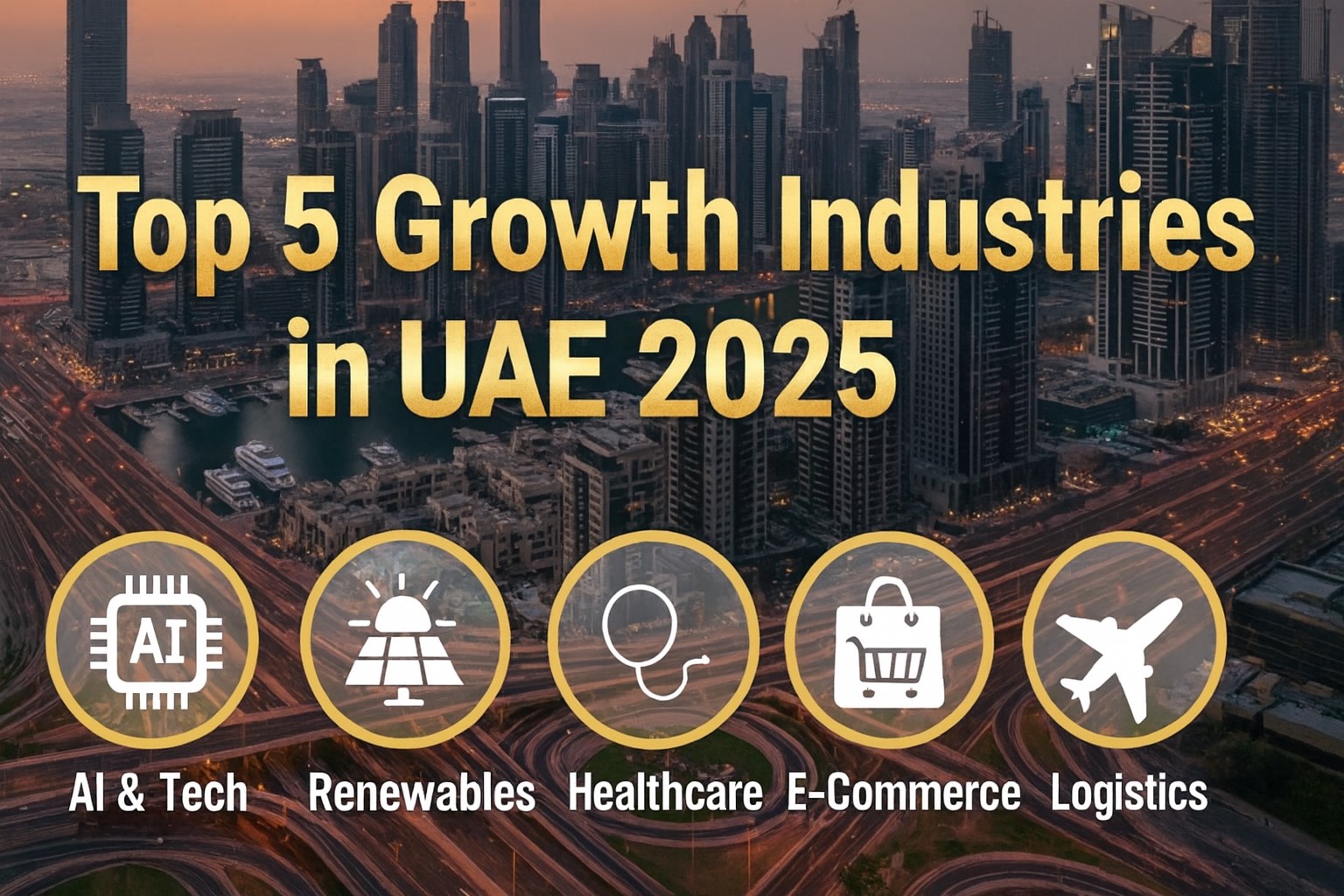
Below is a clear breakdown of the top five growth industries in UAE in 2025 and simple steps on how you can enter each one.
Introduction
The UAE government continues to invest in sectors that support long term growth and innovation. As a result, several industries are expected to expand strongly in 2025. Whether you plan to start small or launch a full scale operation, these sectors offer opportunities for both local and international entrepreneurs.
Technology and IT Services
Technology remains one of the most dynamic sectors in the UAE. From software development and cybersecurity to artificial intelligence and cloud services, businesses in this industry are in high demand. Both government and private sectors are investing in digital transformation, creating opportunities for startups offering innovative solutions.
How to Enter:
- Market Research: Understand which areas of technology are underserved in the UAE. For instance, AI solutions for healthcare or fintech platforms targeting SMEs have strong potential.
- Free Zone Registration: Free zones like Dubai Internet City or twofour54 in Abu Dhabi offer simplified setup processes and 100 percent foreign ownership.
- Networking and Partnerships: Join local tech incubators and accelerators. Many offer mentorship, funding advice, and connections to potential clients.
- Compliance: Ensure that your product or service meets UAE data protection and cybersecurity regulations.
Renewable Energy
The UAE has been actively promoting renewable energy, particularly solar power. Initiatives like the Mohammed bin Rashid Al Maktoum Solar Park aim to increase clean energy production, while the government encourages businesses that offer sustainable solutions. Entrepreneurs can find opportunities in solar panel manufacturing, energy management systems, and consulting services.
How to Enter:
- Understand Local Policies: The UAE government provides incentives for companies contributing to sustainability goals. Research available grants and tax benefits.
- Identify Gaps: Conduct studies to identify areas where technology or services are lacking, such as residential solar installations or energy efficiency consulting.
- Local Partnerships: Partnering with existing energy companies or government backed initiatives can accelerate market entry.
- Certification: Obtain necessary certifications for products or services, especially for renewable energy solutions.
Healthcare and Medical Services
Healthcare is another fast growing sector, driven by a growing population, government investment, and a focus on medical tourism. There is demand for specialized medical services, telemedicine, medical devices, and healthcare IT solutions.
How to Enter:
- Licensing: The healthcare sector is heavily regulated. Start by understanding the licensing requirements through local authorities such as the Department of Health in Abu Dhabi or Dubai Health Authority.
- Strategic Location: Choose a location near hospitals or medical hubs to improve accessibility and visibility.
- Quality Standards: Adhere strictly to UAE medical and safety standards. International entrepreneurs may need local partners or consultants to navigate regulations.
- Technology Integration: Healthcare technology, like telemedicine or patient management systems, is in demand and often easier to scale than traditional clinics.
E-Commerce and Retail
The UAE’s e-commerce market has grown rapidly, fueled by internet penetration, high smartphone usage, and strong logistics networks. Online retail is particularly attractive for startups selling niche products, fashion, electronics, or lifestyle items.
How to Enter:
- Digital Presence: Establish a website and integrate payment gateways. Platforms like Shopify or local e-commerce solutions can help set up stores quickly.
- Local Partnerships: Partner with delivery and logistics companies to ensure smooth operations. The UAE has strong logistics infrastructure that allows fast shipping across the country and region.
- Marketing Strategy: Social media and influencer marketing are effective ways to reach UAE customers. Platforms like Instagram, TikTok, and LinkedIn can target specific audiences.
- Licensing: Free zones like Dubai CommerCity specialize in e-commerce, providing licenses specifically for online retail businesses.
Tourism and Hospitality
Tourism remains a key pillar of the UAE economy. The country attracts millions of visitors annually for leisure, business, and events. Startups offering unique experiences, boutique hotels, guided tours, or tourism technology solutions can benefit from this growing sector.
How to Enter:
- Licensing and Regulations: Tourism related businesses require specific permits. Research the regulations for hotels, travel agencies, or tour operators.
- Location: Choose a location close to popular tourist areas or business hubs to attract clients.
- Partnerships: Collaborate with hotels, airlines, and event organizers to expand your reach.
- Digital Marketing: Build a strong online presence to reach international and local travelers. Providing online booking systems or apps can improve customer experience and sales.
General Tips for Entering Any Growth Industry in the UAE
Regardless of the industry, international entrepreneurs should follow these guidelines to ensure smooth entry and growth in the UAE market:
- Choose the Right Business Structure: Decide whether to establish a mainland company, free zone entity, or offshore business. Each option has specific rules regarding ownership, taxation, and operational flexibility.
- Understand Banking Requirements: Opening a business account in the UAE requires documentation such as passports, visas, trade licenses, and bank references. Companies like Bizhub can assist startups in navigating the banking system efficiently.
- Leverage Free Zones: Free zones offer tax benefits, simplified registration, and support services tailored for startups. Research which free zone aligns with your industry.
- Plan for Costs: Office space, visas, labor, and licensing fees should be factored into initial budgets. Some free zones provide flexible office solutions that help reduce costs.
- Focus on Compliance: UAE regulations are strict, particularly in healthcare, energy, and tourism. Hiring legal consultants or local experts can help ensure compliance and avoid delays.
- Build a Local Network: Attending conferences, joining incubators, and connecting with other entrepreneurs can open doors to partnerships, mentorship, and funding opportunities.
- Adapt to Local Culture: Understanding cultural norms, business etiquette, and customer preferences can enhance relationships with clients, partners, and employees.
8. Why Startups Thrive in the UAE
- Strategic location and business friendly policies support fast growth.
- Easy company setup and strong government support help startups start quickly.
- A large consumer base and diverse talent pool benefit new businesses.
- Fast growing sectors like tech, healthcare, and renewable energy offer opportunities.
- Startups that plan well and build local partnerships grow faster in the UAE.
Final Thoughts
The UAE offers strong opportunities for international startups in 2025, especially in technology, renewable energy, healthcare, e-commerce, and tourism. Entering these sectors requires proper planning, compliance, and knowledge of the local market. Companies like Bizhub help entrepreneurs with setup, banking, market entry strategies, and even securing a UAE residency visa, making the process easier. With the right preparation and expert guidance, startups can achieve long-term success in a fast-growing and supportive business environment.
FAQs
- What makes the UAE attractive for startups in 2025?
The UAE offers strong infrastructure, supportive regulations, global access, and fast growing industries that help startups scale quickly and efficiently. - Do foreign entrepreneurs need a local partner to start a business?
No. Many free zones allow 100 percent foreign ownership, making business setup simple for international entrepreneurs. - What are the top growth industries in UAE right now?
Technology, renewable energy, healthcare, logistics, and e-commerce are expanding rapidly and offer promising opportunities for new startups. - Is funding easily available for new startups?
Yes. The UAE has active venture capital firms, government grants, angel investors, and accelerator programs supporting early stage companies. - How long does it take to set up a business in the UAE?
Setup can take three days to a few weeks depending on the free zone, documents, approvals, and business activity.